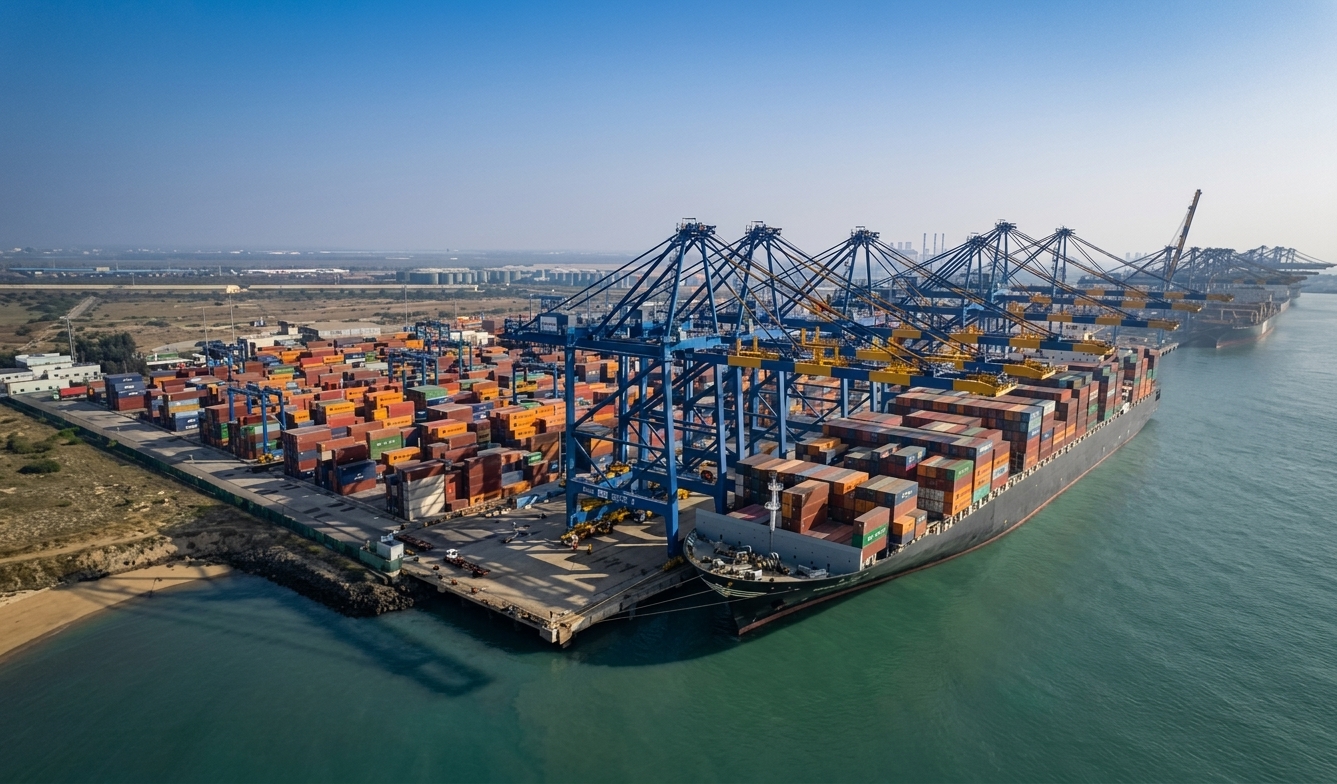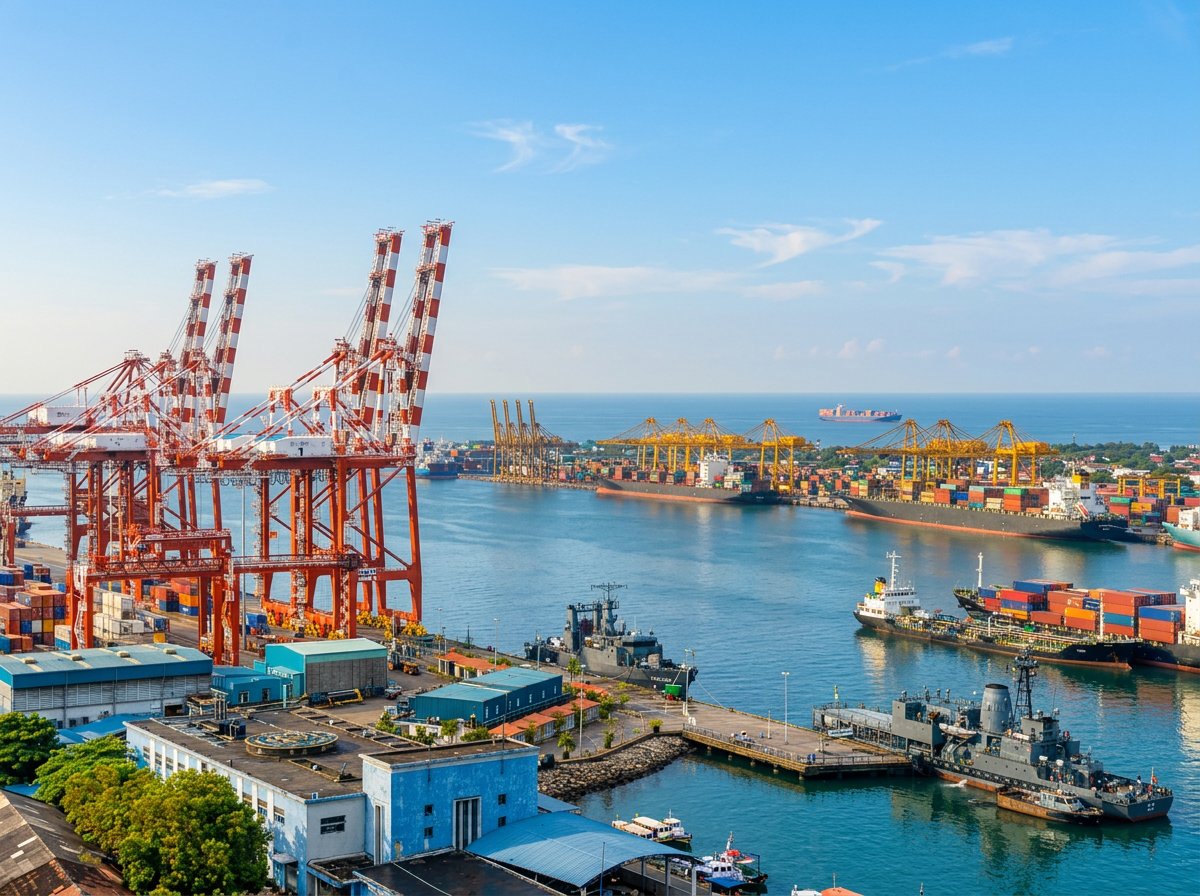

Colombo Port sits at one of the most strategically significant locations in the world. Positioned at the crossroads of the East-West shipping corridor, it sits roughly equidistant between the Suez Canal and the Strait of Malacca two of the world’s most critical maritime chokepoints.
For international shipping operators, this geography is not a coincidence. It is an operational advantage.
The Numbers Behind the Position
Colombo consistently ranks among the top 25 busiest container ports globally. It handles more than seven million TEUs annually and serves as a transshipment hub connecting South Asia, Southeast Asia, East Africa, and the Middle East. More than 80 percent of the cargo handled at Colombo is transshipment cargo meaning vessels call specifically to transfer containers onward to final destinations.
This scale means Colombo supports a constant flow of vessel calls, creating demand for every category of maritime service from freight forwarding and ship supply to bunkering and crew handling.
Why Operators Choose Colombo
Three factors consistently drive vessel operators toward Colombo as a preferred port of call.
First, connectivity. Colombo is served by all major global shipping lines including Maersk, MSC, CMA CGM, Evergreen, and COSCO. The port offers direct connections to over 80 ports worldwide. For operators routing cargo through Asia, Colombo often represents the fastest and most cost-effective transshipment option compared to alternatives like Singapore or Port Klang.
Second, infrastructure. The Colombo South Harbour, which came online in 2013, added three deep-water berths capable of handling the world’s largest Ultra Large Container Vessels. The terminal can accommodate vessels with a draught of up to 18 metres making it accessible to ships that many regional ports simply cannot receive.
Third, efficiency. Sri Lanka Ports Authority and the terminal operators at Jaya Container Terminal, South Asia Gateway Terminals, and Colombo International Container Terminals have significantly improved berth productivity over the past decade. Average turnaround times remain competitive with other major regional hubs.
What This Means for Ship Agents and Logistics Operators
A busy, well-connected port creates a concentration of maritime services. For vessel operators and cargo owners, this means more choice, more competition, and ultimately better service at competitive rates.
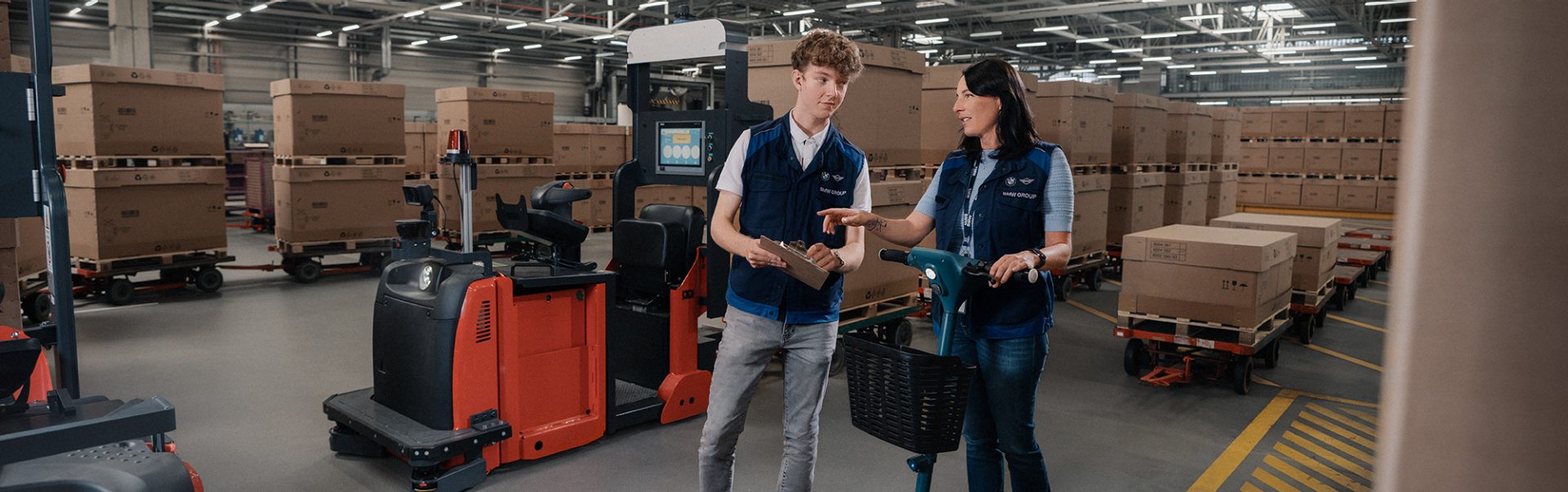
At Global Logistics and Trading, our entire operation is built around the specific demands of vessels calling at Colombo. We provide logistics, shipping coordination, freight forwarding, ship supply, crew handling, ship chandelling, and bunkering all under one team, all at one location.
When your vessel arrives, you should not be coordinating with four different companies across different time zones. One call to our team handles every requirement.
The Outlook for Colombo
The Sri Lanka government continues to invest in port expansion. Plans for the Colombo Port City a financial and commercial district built on reclaimed land adjacent to the port signal long-term commitment to Colombo’s role as a regional maritime and economic hub.
For operators planning their Indian Ocean routing strategy, Colombo’s combination of geography, infrastructure, and connectivity makes it a port worth anchoring to.
We are here when you arrive.